

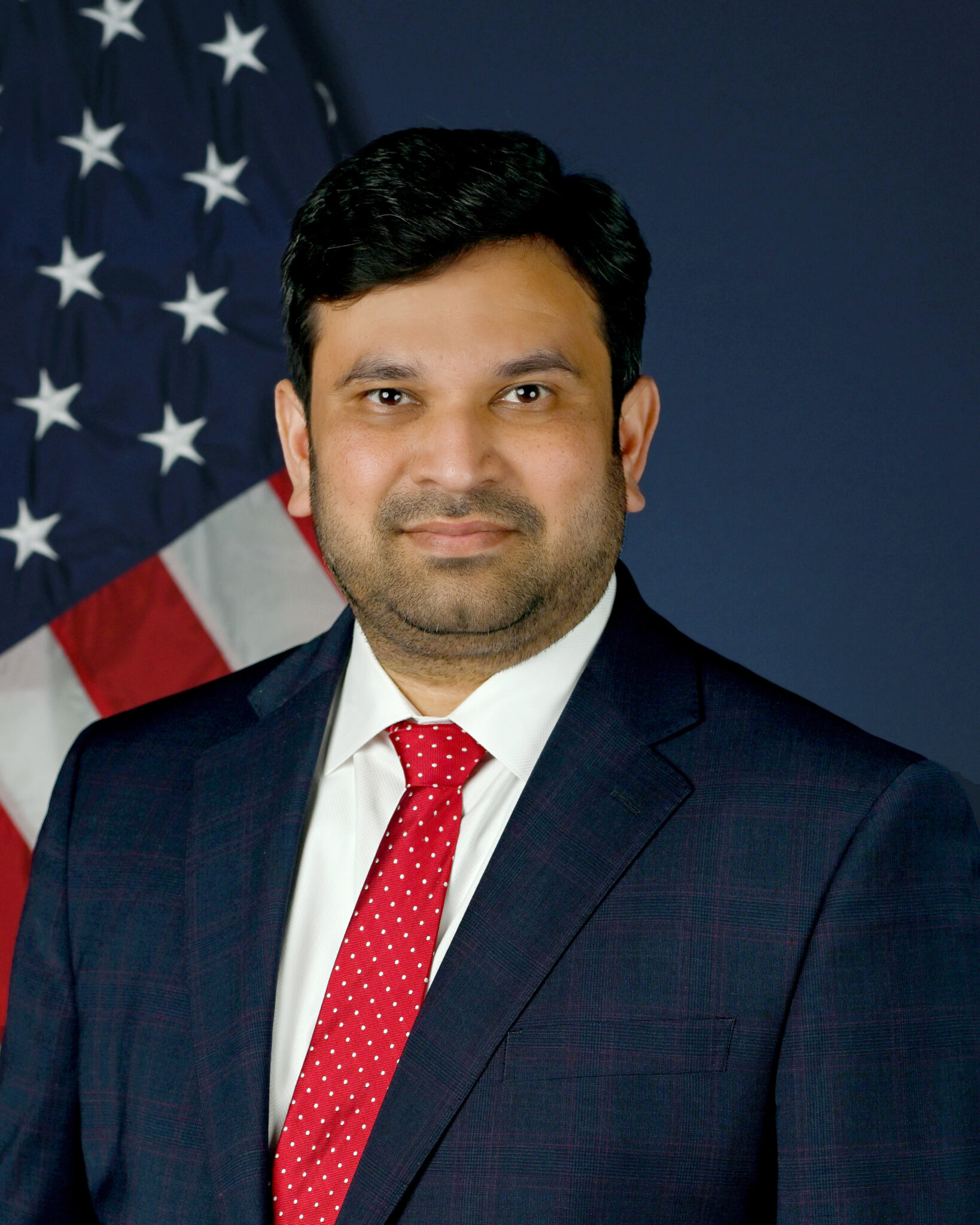
When Pavan Pidugu made the jump from corporate technology to public service, he wasn’t just changing jobs. He was changing the scale and purpose of the problems he was trying to solve.
As chief digital and information officer at the Transportation Department, Pidugu oversees technology modernization efforts that touch everything from transportation safety and cloud infrastructure to federal grants and the systems that keep the nation moving. But he says the biggest lesson from his career in government has little to do with technology itself. In his view, successful digital transformation is about 80% culture and leadership and 20% technology.
That philosophy has shaped Pidugu’s push to move agencies away from a traditional “contract management” mindset and toward one centered on internal product ownership and building lasting technology capabilities.
In this Q&A, Pidugu discusses his unexpected path into public service, the career moment that changed how he approaches modernization, what stewardship means to him and why he believes government can offer technologists some of the most consequential challenges of their careers.
Tell us about your current role and the mission you support. What does a typical day look like for you?
In my current role, I oversee the strategy, modernization, and execution of technology initiatives that keep our nation’s transportation systems safe, connected, and resilient. Our mission directly impacts every American who travels on our roads, flies through our airspace, or relies on supply chains.
A typical day is a mix of high-level enterprise architecture and hands-on organizational leadership. I might start the morning reviewing strategic deployments for unified, multi-cloud platforms or grants modernization platforms, spend midday partnering with agency executive leadership to align technology with policy, and dedicate the afternoon to mentoring teams, driving our internal product-ownership mindset, or working directly with our engineering and product leads. No two days are identical, but every day centers on driving real-world outcomes for the public.
What drew you to public service? Was your path into government planned, or did it evolve over time?
My path into public service evolved organically. Having spent years leading large-scale digital transformations and enterprise technology strategies in corporate retail executive roles, I didn’t initially plan a career in government. However, as I looked at the sheer scale of the challenges facing our federal infrastructure, I saw an incredible opportunity to apply modern private-sector builder mentalities to public mission sets. What drew me in—and what kept me here—is the unparalleled purpose: moving away from managing static vendor contracts and toward building world-class internal technology capabilities that directly improve people’s lives.
Looking back, was there a pivotal moment, decision or experience that shaped your career in government?
A pivotal moment for me was early in my public service journey when I realized the power of shifting an agency’s operational culture from “contract management” to true “product ownership.” During a major effort to consolidate legacy, fragmented systems into a unified platform, the turning point wasn’t writing better code or picking a new vendor—it was empowering internal civil service teams to step up as true product owners and builders. Seeing the workforce gain confidence, take ownership, and accelerate delivery proved to me that digital transformation in government is 80% culture and leadership, and 20% technology. That realization has guided every strategic roadmap and team I’ve led since.
What does public service mean to you, and why is serving the nation and its citizens important to you?
To me, public service is fundamentally about stewardship and scale. Transitioning into public service after years in corporate technology taught me that there is no customer base like the American public and no objective more rewarding than strengthening the infrastructure they rely on every day. Serving the nation means taking accountability for systems that millions of people, businesses, and communities depend on—whether that is streamlining federal grant systems so local communities get resources faster, modernizing critical safety platforms, or migrating entire agencies to modern cloud infrastructure. It is important to me because technology in government isn’t just about efficiency; it directly impacts safety, access, and trust in public institutions.
What is one lesson you’ve learned in public service that has stayed with you throughout your career?
The most vital lesson I’ve learned is that lasting digital transformation requires changing the culture, not just the technology stack. You can deploy the most advanced cloud architecture or modern product delivery framework, but if you don’t empower your teams to shift from traditional contract managers to internal product owners and builders, the impact won’t last. Success in the public sector comes down to building a strong internal capability, leading with empathy, and bringing people along on the journey so that the organization owns its future.
What advice would you give to someone considering a career in government today?
Focus on the mission, embrace a builder’s mindset, and do not be deterred by bureaucracy. Public service presents some of the largest, most complex operational and technical challenges you will ever encounter. If you approach those challenges with a product-driven perspective—focusing on user outcomes, modern execution, and solving real-world problems—the depth of impact you can have here far exceeds almost anything in the private sector. It is a place where your work genuinely matters to the everyday lives of your fellow citizens.
What continues to motivate and inspire you in your work supporting the public mission?
I am consistently driven by two things: the tangible real-world impact of our work and the people dedicated to delivering it. Seeing a major modernization effort take root—whether it’s consolidating fragmented systems to better serve constituents or laying down scalable enterprise technology frameworks—is immensely rewarding. Beyond the systems, I am deeply inspired by mentoring emerging leaders, encouraging young professionals, and watching teams transform their operations to serve the nation better. Knowing that our efforts leave a stronger, more resilient digital foundation for the future is what keeps me motivated every single day.