

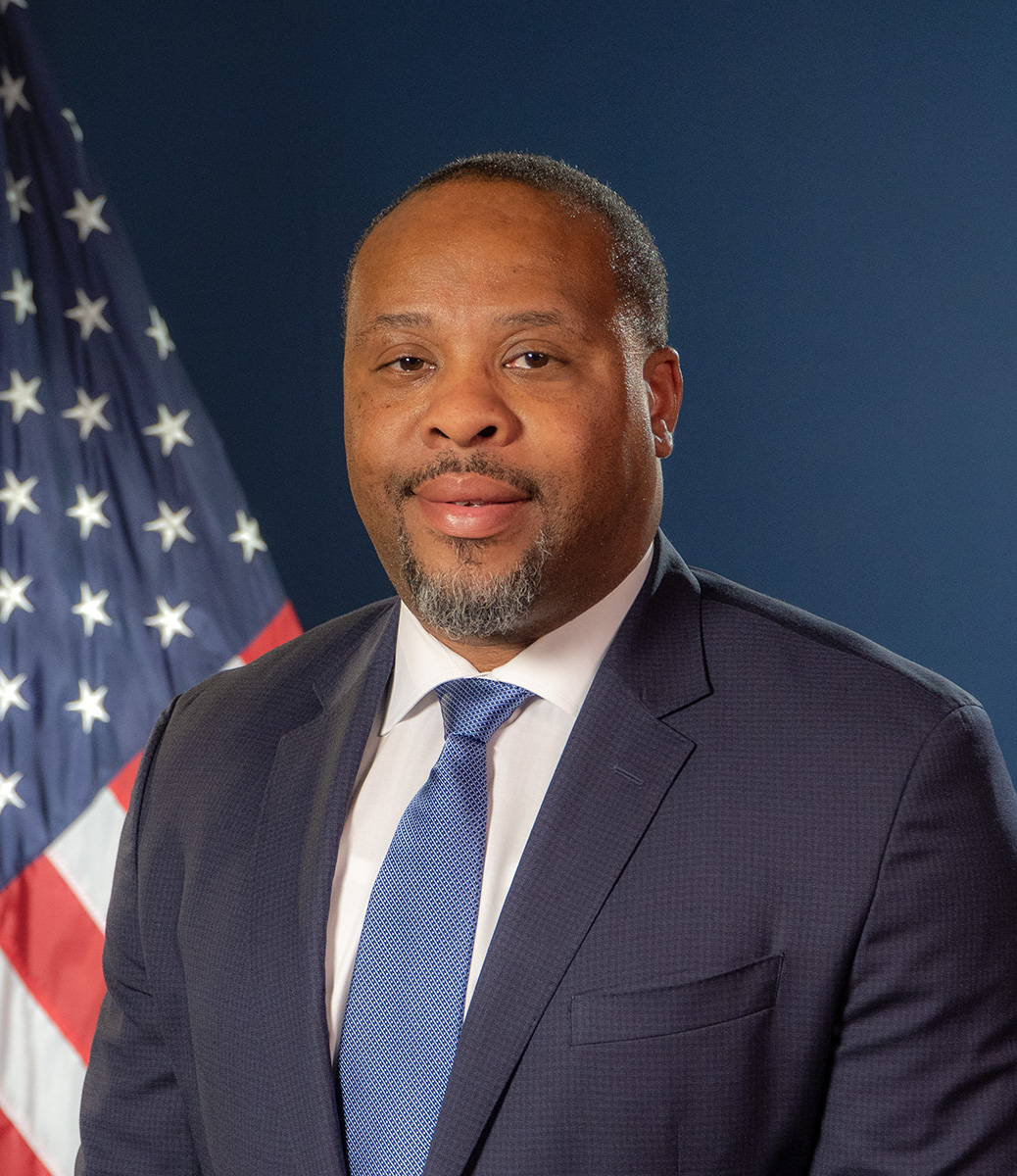
For Travis Thomas, modernizing government technology is ultimately about making government work better for the people who rely on it. As acting chief product and technology officer for the Transportation Department, Thomas leads digital strategy, IT modernization and technology integration across a complex portfolio, with a focus on building secure, user-centered tools that support the nation’s transportation mission.
Thomas brings both industry and government experience to that work. Before entering civil service, he spent years supporting federal agencies as a defense and civil contractor, giving him a firsthand view of government technology from the outside. Since joining the Federal Highway Administration in 2012, he has focused on using modern technology to tackle large-scale challenges, from improving emergency relief processes to giving field personnel more effective digital tools.
In this Q&A, Thomas discusses his approach to modernizing government IT, the importance of agile and user-centered design, and why he believes technology leaders should be willing to challenge traditional ways of doing things.
Tell us about your current role and the mission you support. What does a typical day look like for you?
I serve as an Acting Chief Product and Technology Officer for the U.S. Department of Transportation OCIO, where I lead digital strategy, IT modernization, and technology integration across a large, complex portfolio. My mission centers on leveraging technology to make government operations more effective, secure, transparent, and user-centered—ensuring our systems directly support the nation’s critical transportation infrastructure and the traveling public.
A typical day balances high-level executive strategy with direct execution. I might start the morning meeting with program offices and stakeholders to align our $200M+ IT portfolio with broader mission priorities, move into a session reviewing agile digital products—like cloud-native mobile platforms for field inspectors—and spend the afternoon overseeing team operations, budget execution, or data governance frameworks. A key focus every day is driving user-centered “Design for Delight” principles, ensuring that whether a system is used by field inspectors, state partners, or agency leadership, it is intuitive, reliable, and efficient.
What drew you to public service? Was your path into government planned, or did it evolve over time?
My path into public service evolved organically over time. I spent the early part of my career working in the private sector as a defense and civil contractor supporting federal agencies, including the Department of Defense and DOT. Managing IT programs from the industry side gave me a deep appreciation for the scope and impact of government missions. When I transitioned into civil service as a Deputy Division Chief at the FHWA in 2012, I realized how directly public sector IT influences real-world outcomes—from tracking emergency relief funds to conducting field safety inspections. What started as a natural step in my technology career turned into a long-term dedication to public service once I experienced the unique purpose of serving the public good.
What does public service mean to you, and why is serving the nation and its citizens important to you?
To me, public service is about stewardship and impact. It means ensuring that taxpayer dollars are managed with integrity, efficiency, and purpose while delivering modern services that meet citizens’ daily needs. Technology in government isn’t just about code or hardware; it’s the invisible backbone that enables emergency relief funds to reach communities faster, allows field personnel to perform safer inspections, and ensures transparent data sharing. Serving the nation matters to me because the digital tools we build directly affect millions of people, making government more accessible, responsive, and accountable.
What advice would you give to someone considering a career in government today?
Jump in with a focus on problem-solving and an open mind. The public sector offers a scale of responsibility and impact that is almost impossible to replicate in the private sector. Don’t be afraid to challenge traditional ways of doing things; government needs technologists, thinkers, and leaders who bring fresh perspectives, embrace agile methodologies, and want to build consumer-grade experiences for public users. If you care about work that carries lasting purpose, public service is one of the most rewarding paths you can take.
What continues to motivate and inspire you in your work supporting the public mission?
I am consistently inspired by my team’s dedication and the measurable impact of our work. Seeing a modern digital platform go live—and knowing it immediately saves field workers hundreds of hours, streamlines millions in federal emergency relief funds, or replaces an outdated legacy system—is deeply satisfying. Technology is evolving rapidly with cloud architectures and modern data integration, and the opportunity to continuously harness those tools to elevate the public mission energizes me every day.